Can We Turn Back Time?
What is aging anyway? Norbert and I can’t help but give some sass here: a pain in the butt is what it is. I wish it were only there! (lol) So, what can science do about it? Well, one company has started clinical trials to test whether aging is in our epigenetics and reversible. They believe aging is the result of losing epigenetic information on DNA so that some cell functions don’t work correctly or at all.
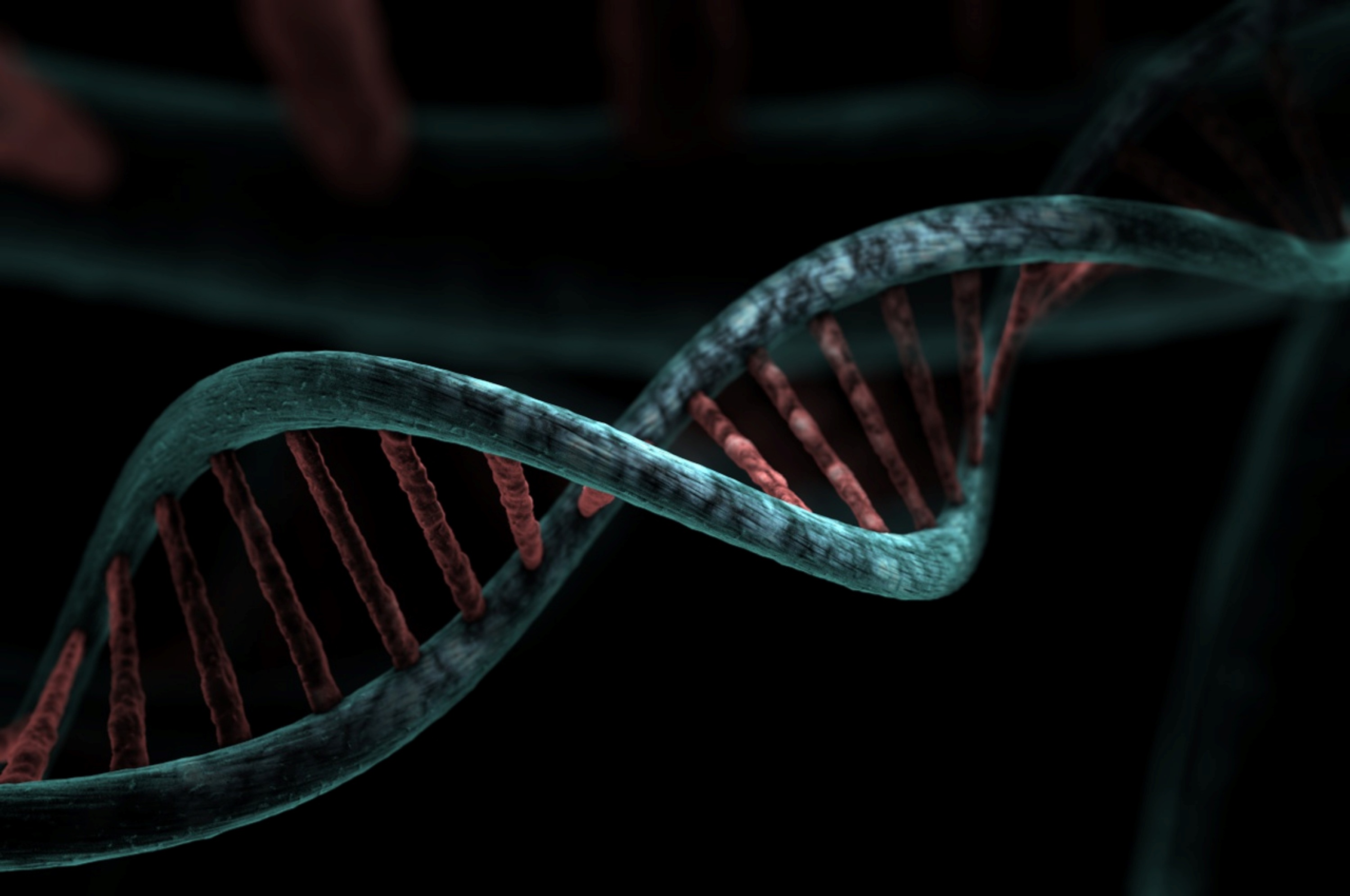
Think of DNA as a user’s manual and its epigenetic information as instructions when and where the tasks should be performed. Change the instructions and cells will not function properly.
So, when you alter epigenetic information, the wrong instructions are given, and genes are wrongly turned on or off. It could be interesting to see if restoring this information can help reverse human aging and disease?
The company, LifeBiosciences, is treating 18 vision impaired patients with optic nerve damage caused by open-angle glaucoma and non-arteritic anterior ischemic optic neuropathy. Both diseases kill retinal ganglion cells that are critical to sight.
The patients are given ER100, a drug that inserts genetic instructions in those dying retinal cells to make three proteins. The proteins regulate how genes are turned on or off and hopefully reverse the age-related damage. The study will follow patients for 5 years to gauge safety and vision change. But the study is controversial since risks include cancer with little data to show this will work.
More Information
World First: Patient Receives High-Risk Therapy to Make Cells Young Again
An eagerly awaited and controversial clinical trial to 'wind back the clock' on aging cells in the eye and restore them to a more youthful state has officially begun. Earlier this year, the United States biotechnology company Life Biosciences, Inc. announced that it had dosed its first patient with an experimental therapy designed to reverse age-related vision loss.
Life Biosciences Announces First Patient Dosed in Phase 1 Trial of ER‑100 for Optic Neuropathies
Lead epigenetic restoration therapy enters the clinic for glaucoma and NAION, targeting a root cause of age-related vision loss.