CVD Disease and your Oral Flora
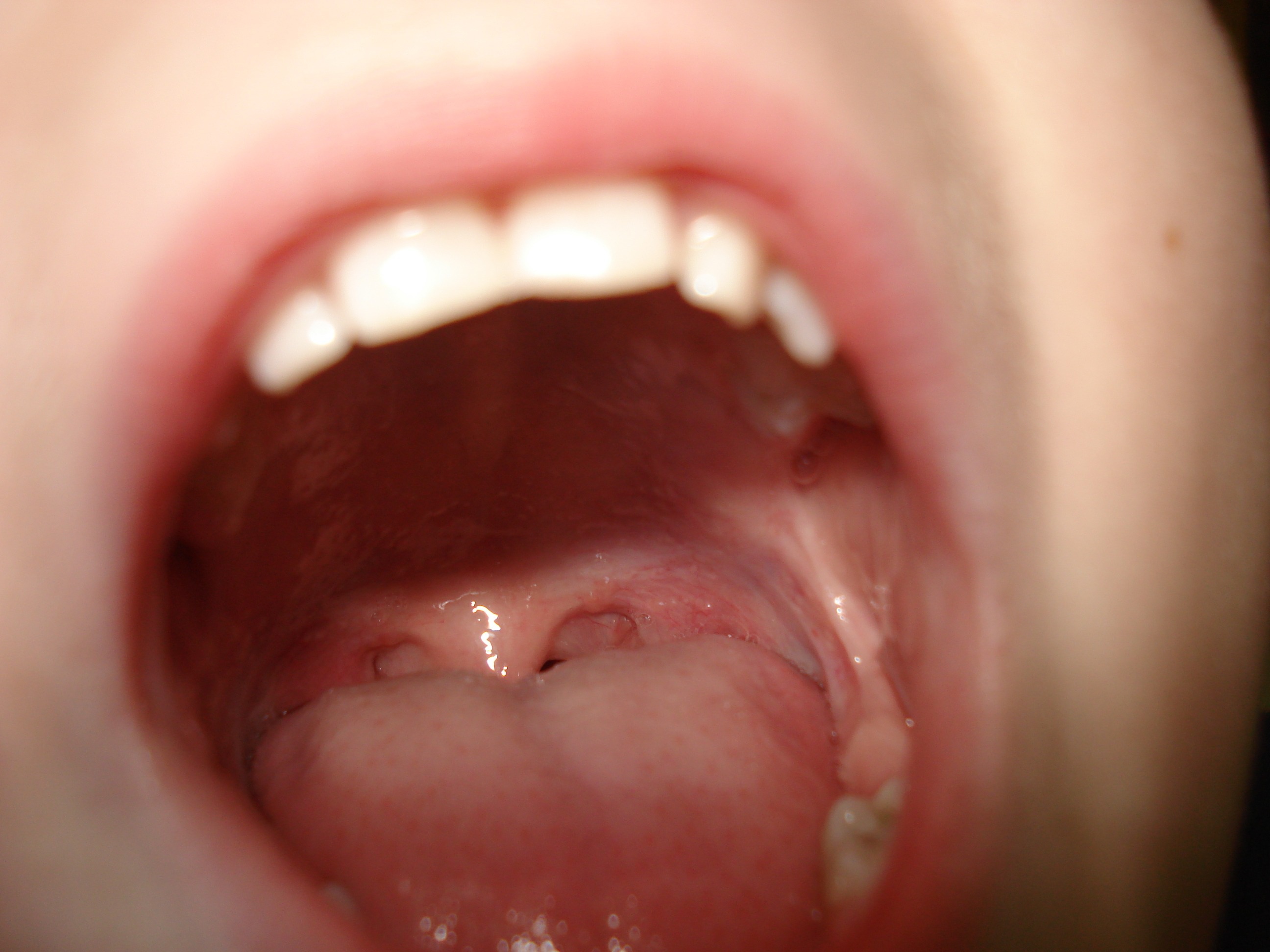
Among the collection of microbes that live with us are the ones inside our mouths. Between 8 and 20 billion microbes representing 700 species of bacteria, fungi, viruses and archaea live there.
Dave, potty mouth seems appropriate about now…
It fits! And even more so in dysbiosis, when those microbes become unstable and increase our chances for cavities, gum disease, and halitoses.
Studies have shown that poor oral hygiene leads to changes in oral microbiome that directly links to cardiovascular disease. A recent study in Denmark followed half a million children with oral hygiene issues such as cavities and followed them for 15 years.
At the end of it, they found boys with a “high” number of cavities, up to 16, had a 30 percent higher risk for narrow and hardening arteries compared with boys with just four cavities.
For girls, the “high” group had a 45 percent higher number of cardiovascular diseases. Kids who had gingivitis also faced higher numbers of vascular disease as adults.
Gum inflammation can create inflammation elsewhere that leads to plaque buildup in blood vessels. The researchers acknowledged the high group could also be smokers or unhealthy eaters that could contribute to these results.
But studies like this should inform our broad approach to dental health such as when cities plan to stop fluoridating its drinking water. Being prudent today could help us stay healthy and save on healthcare costs down the road.
More Information
Childhood oral health is associated with the incidence of atherosclerotic cardiovascular disease in adulthood
While adult oral health has been consistently linked to cardiovascular disease, the long-term impact of childhood oral health remains underexplored. Thus, we investigated the association between dental caries and gingivitis in childhood and the incidence of atherosclerotic cardiovascular disease (ASCVD) in adulthood.
Poor Oral Health in Childhood Linked to Later Heart Attack, Stroke, or Coronary Artery Disease
Children with worse oral health were more likely to experience heart attack, stroke, or coronary artery disease as adults, according to a new study based on data from multiple national health databases in Denmark. Nikoline Nygaard, a postdoctoral fellow in health and medical sciences at the University of Copenhagen, Copenhagen, Denmark and lead author of the study said the association “reframes the way we understand oral disease, not as something that just happens in the mouth, but as something that affects the whole body as early as childhood.”
Oral health and atherosclerotic cardiovascular disease: A review
Periodontal disease (PD) is common in the US and globally. Evidence suggests that poor oral health is associated with atherosclerotic cardiovascular disease (ASCVD); however, this relationship has not been a major focus in clinical cardiology. This manuscript will review the growing evidence linking PD to ASCVD, including pathophysiologic mechanisms and coexistent risk factors.