New Hope for those with Macular Degeneration
I played pin the tail on the donkey as a kid and even though it was a game, I did not like trying to do something blindfolded. So, I can’t imagine not seeing except now that I’m getting older, a risk I face is macular degeneration.
No kidding, Norbert…we both do. But there’s a new prosthetic being tested that restored sight to people with AMD, age-related macular degeneration. AMD affects people over age 50 and is a leading cause of vision loss in older adults.
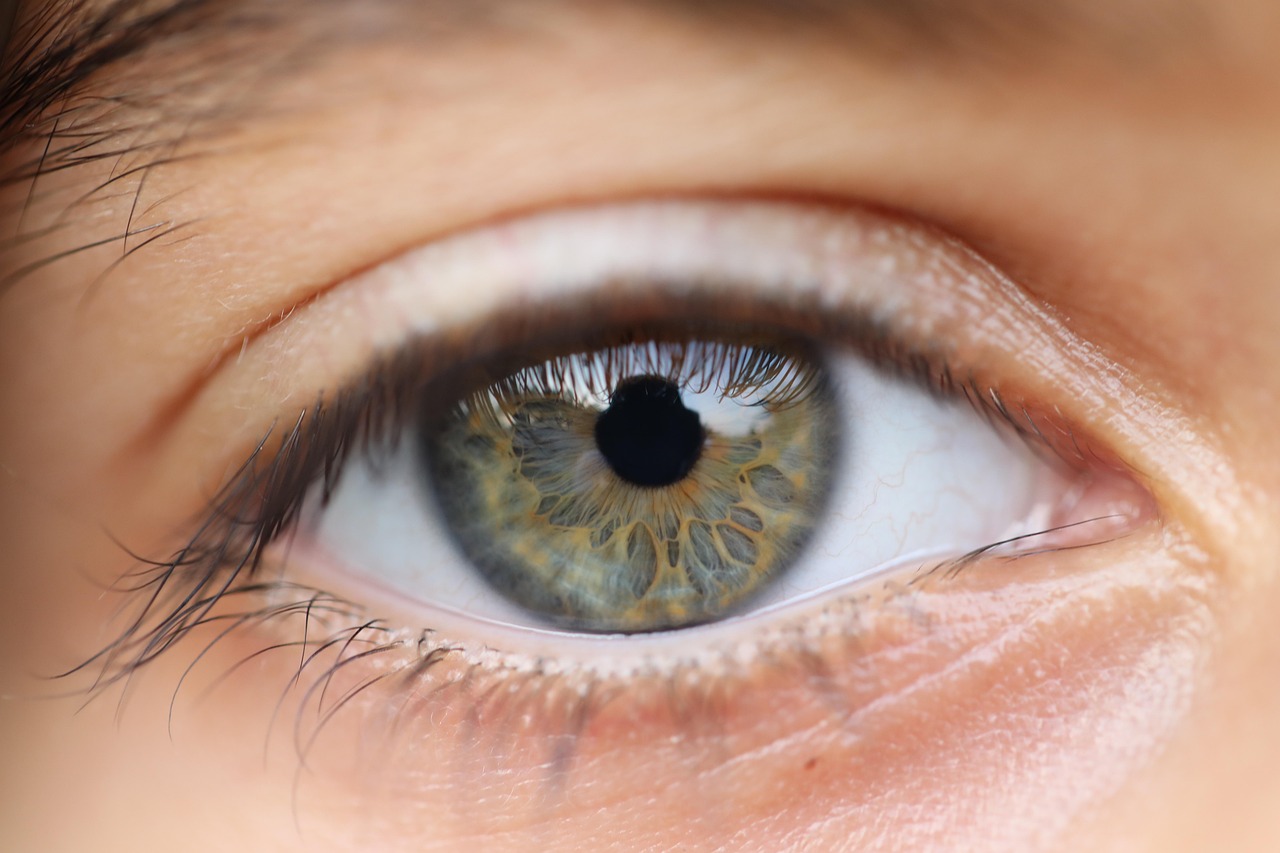
The macula is a part of the retina at the back of the eye responsible for sharp, central vision needed for activities like reading, driving, and recognizing faces. There is dry AMD and wet AMD. Dry being the most common, when the light sensitive receptors in the macula are destroyed causing gradual vision loss.
The less common wet AMD is more severe. Fluid or blood leaks beneath the retina leading to vision loss. There is no cure except now biomedical research has produced a tiny wireless microchip implanted in the retina.
Of the study’s 32 patients with advanced AMD, 27 could read again within a year. The chip stands in for damaged retinal photoreceptors and works with the camera on a pair of special eyeglasses. Infrared light going into the camera is wirelessly projected on the chip which then sends electric signals that the brain interprets. For now, the images are black and white with low resolution, but as the tech improves, it will change people’s lives.
More Information
Eye prosthesis is the first to restore sight lost to macular degeneration
In a Stanford Medicine-led clinical trial of a wireless retinal prosthesis, people with advanced macular degeneration regained enough vision to read books and subway signs.
Subretinal Photovoltaic Implant to Restore Vision in Geographic Atrophy Due to AMD
Geographic atrophy due to age-related macular degeneration (AMD) is the leading cause of irreversible blindness and affects more than 5 million persons worldwide. No therapies to restore vision in such persons currently exist. The photovoltaic retina implant microarray (PRIMA) system combines a subretinal photovoltaic implant and glasses that project near-infrared light to the implant in order to restore sight to areas of central retinal atrophy.