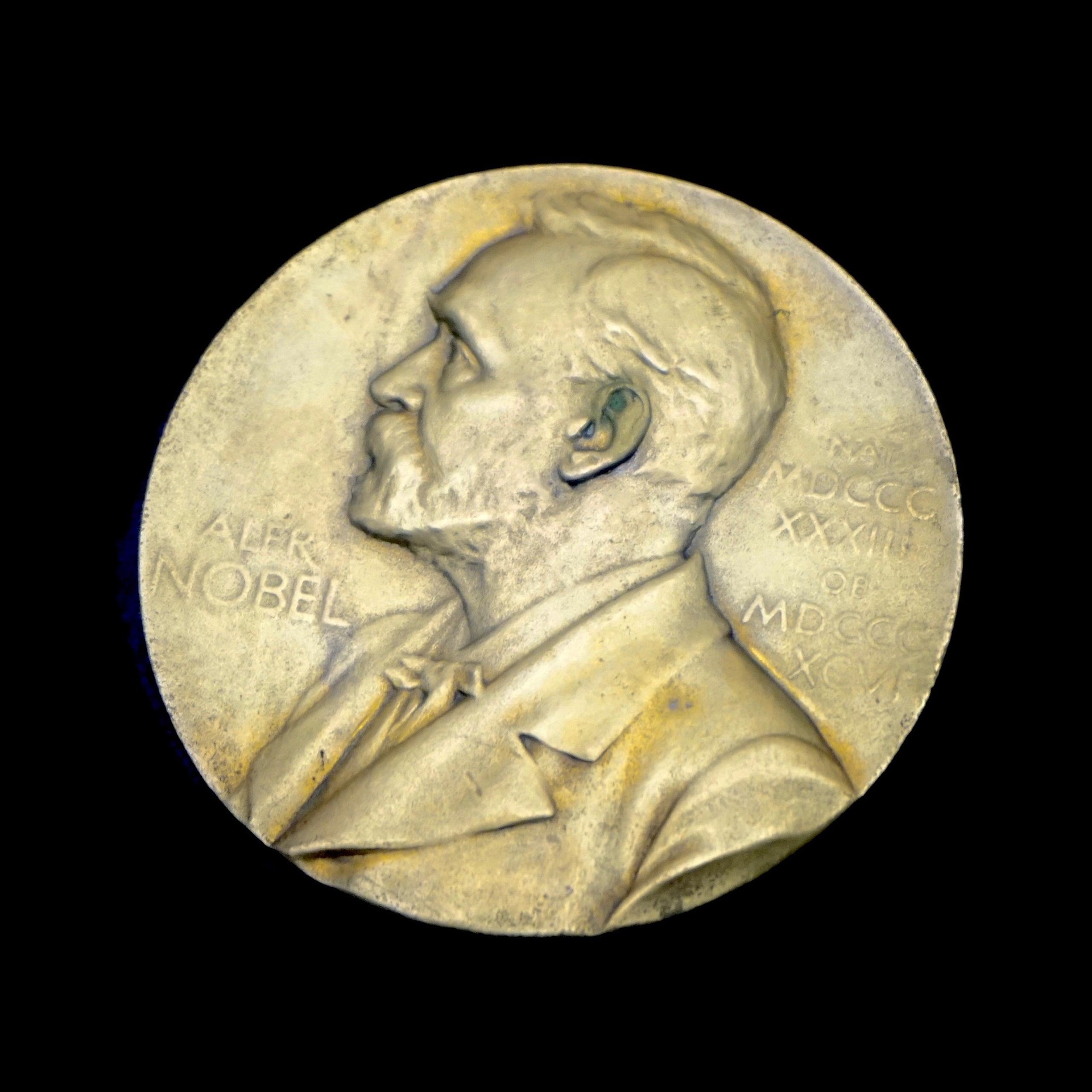
Nobel the Man behind the Ultimate Science Prizes
This month, we honor the Nobel Prizes, science’s highest award, named for Alfred Nobel, the Swedish inventor and industrialist.
Nobel, born in Sweden in1833, grew up in Russia and excelled in chemistry and literature. He later studied in the US and then returned to Sweden, where he did his best-known work on explosives. He was able to stabilize nitroglycerin, a highly unstable powerful explosive, and turn it into the stabile dynamite. His invention revolutionized construction and mining, and made him rich. But soon countries began using it in war which launched modern warfare.
Nobel never married, filed hundreds of patents, and owned more than 90 arms factories. As he aged, he became distressed by the destructive uses of his work. A turning point came in1888, when a newspaper mistakenly published his obituary. The headline read, “The Merchant of Death is dead,” accusing him of profiting from human suffering.
This revelation shook him, so he made a monumental decision. When he died, his estate was instructed to establish five annual prizes honoring scientists who provided “the greatest benefit to mankind.”
One was the Peace Prize - likely inspired by his friendship with Bertha von Suttner, a writer and pacifist who once worked as his secretary. The family challenged the will, but after years of negotiation, the first Nobel Prizes were awarded in 1901.
Today, they remain among the world’s most prestigious honors - for science, literature, and peace.
More Information
Alfred Nobel – his life and work
Alfred Nobel was born in Stockholm on 21 October 1833. His father, Immanuel Nobel, was an engineer and inventor who built bridges and buildings in Stockholm. In connection with his construction work Immanuel Nobel also experimented with different techniques for blasting rocks.
Alfred Nobel
The founder of the prestigious Nobel Prizes made his fortune with a big bang by inventing dynamite, a stabilized form of nitroglycerin.
Alfred Nobel was motivated by the will to be useful to others.