Using Bacterial Viruses to Enhance Food Safety
You may not realize that every year, one out of six Americans get food poisoning. Over a hundred thousand end up in a hospital and some with fatal outcomes. This past year, a Trader Joe’s meal had a listeria scare and the year before, it was Silk’s almond milk.
Other common food borne bacteria include salmonella and E. coli. But scientists are exploring a novel way to control these bacteria using bacteriophages – viruses that attack bacteria without harming us.
They act like “heat seeking” missiles that lock onto a bacterial species and ignore everything else. Bacterial viruses were discovered in the mid-nineteen tens, and scientists are now revisiting them.
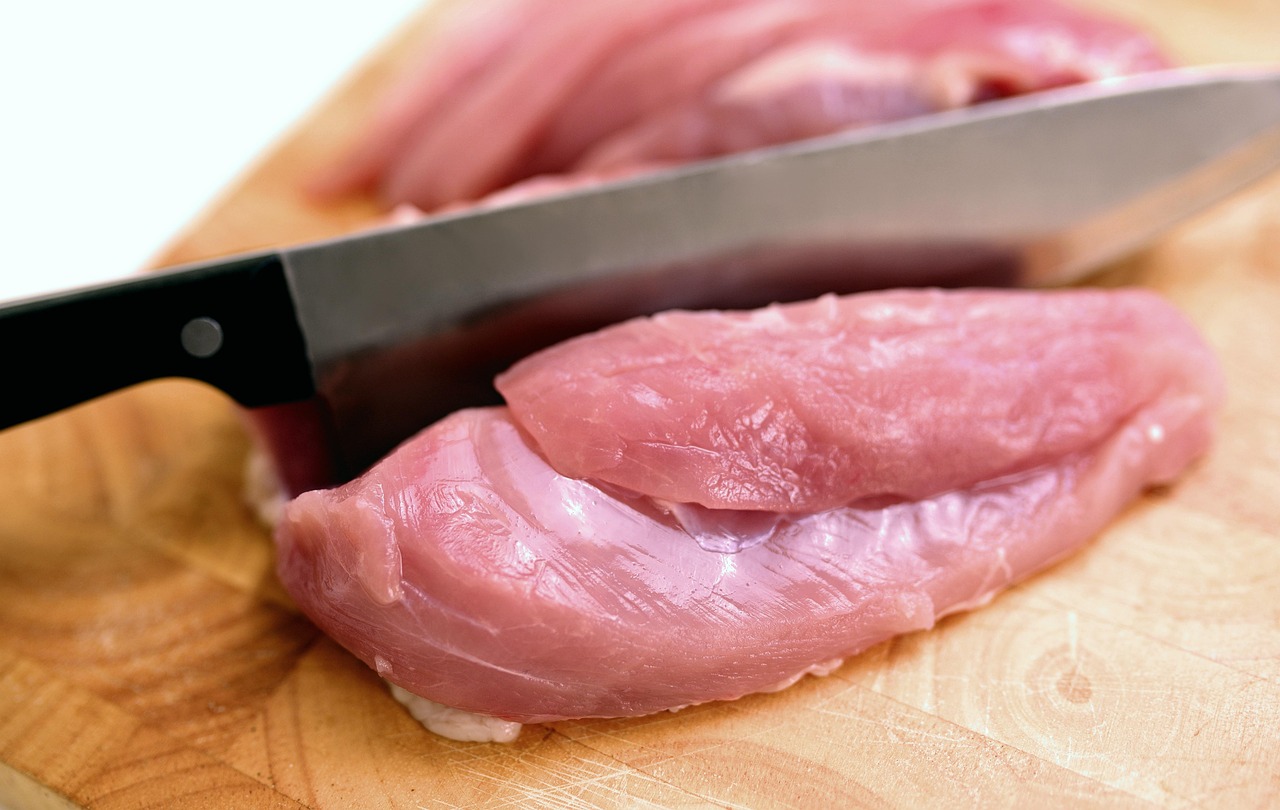
Research is focusing on how to use them on ready-to-eat meats. Spraying or soaking meat with the virus reduced bacteria but couldn’t reach microbes inside the meat. A new study is experimenting with microneedle technology instead. These are tiny, dissolvable spikes made of food-safe materials that “inject” bacteriophages directly into food. A Velcro-like patch was applied to cooked chicken contaminated with E. coli. Within hours, the viruses wiped out nearly all the bacteria, both on the surface and deep inside the meat.
If approved, the patches could become a part of food packaging—like the moisture-absorbing pads in chicken trays or the lining in salads. This way, food packaging won’t just preserve food, it’ll actively protect us.
More Information
To thwart food poisoning, tiny needles could inject bacteria-slaying viruses into your meal
Experimental patches on meat, fruits, and vegetables can destroy up to 99.9% of bacteria
CDC Foodborne Outbreaks
Most foodborne outbreaks that spread across multiple states are caused by Campylobacter, E. coli, Listeria, and Salmonella. CDC typically coordinates between 17 and 36 investigations of foodborne illnesses involving multiple states each week. Some of these investigations result in outbreak notices, which are posted online.
Bacteria and Viruses
Bacteria and viruses are the most common cause of food poisoning. The symptoms and severity of food poisoning vary, depending on which bacteria or virus has contaminated the food. To prevent illness, always follow the food safety steps: clean, separate, cook, and chill. Other prevention tips for specific bacteria and viruses are included below.