Your Memory and Your Microbiome
One of our favorite subjects is the human microbiome, the microbes that live in and on us. We’re only touching the tip of how these forty trillion microbes impact our health and now scientists have found one more. Our microbiome may play a role in dementia! Researchers working with mice learned that a bacterium disrupts memory formation in the brain.
You can test memory in mice with novel objects. Young mice spend more time examining new objects than familiar ones. Old mice forget what they’ve seen and treat all objects as novel. When researchers tried housing the old and young mice together, the young mice forgot the familiar object, suggesting the old mice passed memory loss to them. How could this be?
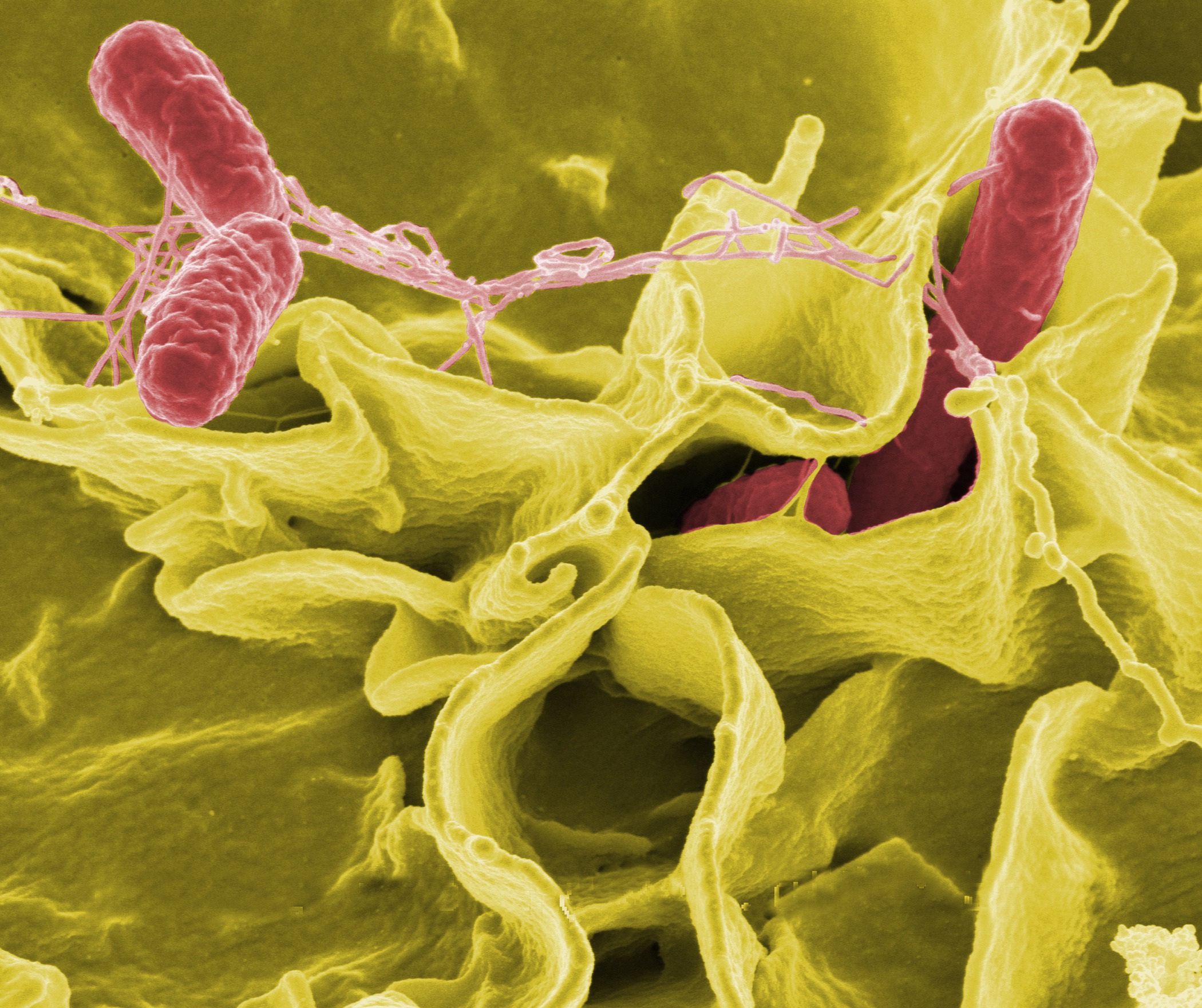
Experiments using germ free mice may have found the answer. These mice have no microbiome so researchers could transplant the microbiome of the old mice to the young mice. These mice then developed memory loss! Researchers were able to identify one culprit, the bacterium Parabacteriodes goldsteinii . They produce medium length fatty acids that accumulate in the gut and activate immune cells there. The cells produce inflammatory molecules, which impair neurons in the gut’s vagus nerve. When this happens, normal communication with the brain is disrupted and memories are not formed.
It’d be astonishing if our gut bacteria play a key role in our cognitive decline! We’re already treating some diseases by changing the microbial composition in the gut. Maybe one day, we can do the same to preserve our mind.
More Information
How Gut Bacteria Could Trigger Memory Loss as We Age
Memory loss and aging go hand-in-hand for most of us, but scientists are getting closer to understanding why. A new study, conducted by researchers at the Arc Institute in Palo Alto, California, and published in Nature, found that a prime suspect may be living in our gut.
Intestinal interoceptive dysfunction drives age-associated cognitive decline
Ageing is accompanied by declining memory function, with extremely heterogeneous manifestation in the human population. Brain-extrinsic factors influencing cognitive decline, such as gastrointestinal signals, have emerged as attractive targets for peripheral interventions, but the underlying mechanisms remain largely unclear. Here, by charting a high-resolution map of microbiome ageing and its functional consequences throughout the lifespan of mice, we identify a mechanism by which inhibition of gut–brain signaling during ageing results in impaired neuronal activation in the hippocampus and loss of memory encoding.